Finding out you have high prolactin as a man is understandably worrying, even if your levels are only slightly higher than usual. Your levels might not mean you need to take prescription medications or undergo surgery. However, they may still cause unpleasant symptoms, so you may wonder how to lower your prolactin levels naturally with simple lifestyle adjustments.
While there are effective treatment options for people with very high prolactin levels, for those whose cases are mild, opting for a natural route makes the most sense.
So, how to lower prolactin in men, if it is even possible? In this guide, discover:
First, let’s understand exactly what prolactin is and what it does in the body.
Prolactin is a peptide hormone that is produced in the pituitary gland. It is best known for its role in stimulating lactation in women after childbirth. However, it has roles beyond this, and while women require more prolactin than men, men still need it for a healthy, functioning body. In men, it is responsible for:
In men, normal prolactin levels are under 20 nanograms per ml of blood. If those levels rise, it can cause problematic symptoms like erectile dysfunction and fertility issues. That’s when men want to learn how to lower prolactin to reduce those symptoms.
You only need to know how to lower prolactin in men if your levels are elevated. First, consider whether you are showing any of the following symptoms of high prolactin:
Other potential symptoms include fatigue, poor sleep, and decreased muscle mass.
If the high prolactin levels are caused by a prolactinoma, a type of benign tumour, it can also cause additional physical symptoms like vision disturbances and headaches.
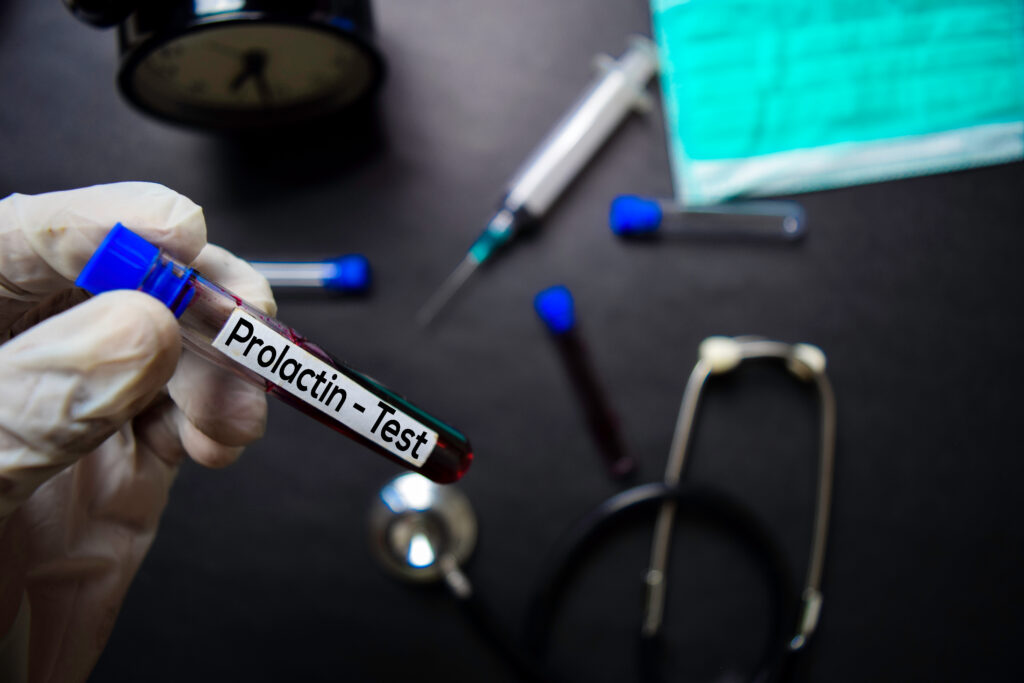
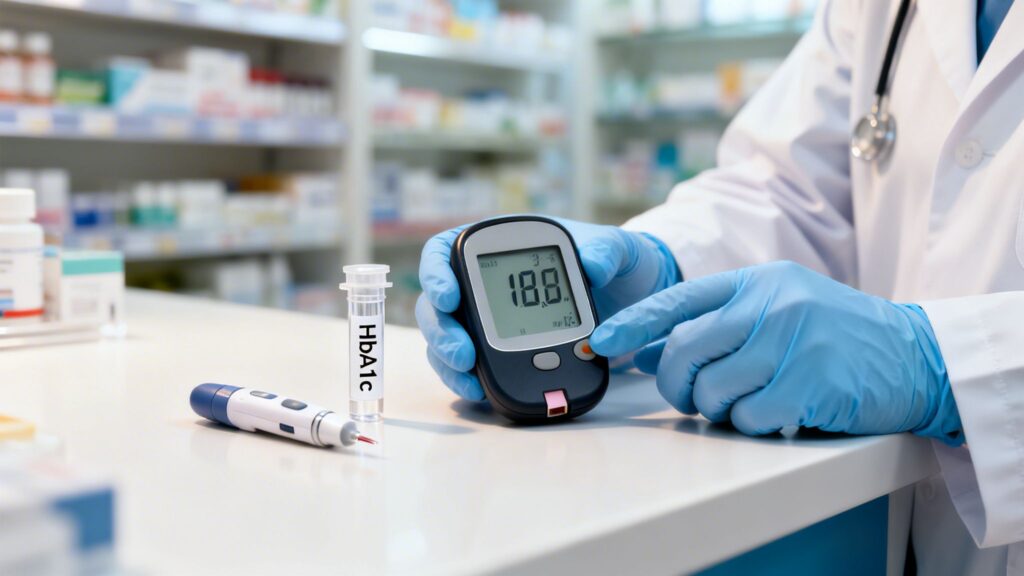
Are you showing these symptoms and not sure what to do next? Learning how to lower prolactin is a good idea. However, first, seek out a home prolactin test, as this will show you for sure whether you need to address your levels.
While there are prescription medications to reduce prolactin, if your levels are only slightly elevated, it is worth trying to reduce them naturally. Here are some ways to do just that.
One of the best things you can do for your health overall is lower your stress levels. This is particularly the case if you have high prolactin, as the ongoing stress triggers the release of hormones like prolactin. It all relates to dopamine: stress reduces dopamine production, which in turn causes the pituitary gland to release excess prolactin.
Of course, lowering your stress levels is not always the easiest thing to do. If you have ongoing or chronic stress, it is important to pinpoint what might be causing it and address that, whether it is family issues or not maintaining a work-life balance. If your stress is particularly extreme, speaking to a healthcare professional is a good idea, as they may recommend talking therapy to help you manage it.
There are some helpful ways to reduce stress that only take a small amount of time out of your day, too. They include:

Getting enough sleep each night is essential for maintaining healthy prolactin levels. A lack of sleep causes a lot of stress on the body, triggering the release of more prolactin. Plus, a normal circadian rhythm is crucial for facilitating natural surges of prolactin throughout the night. If this system is disrupted, the levels may remain high throughout the day, causing problems.
If you struggle to get enough sleep each night, start by cleaning up your sleep hygiene. Create a better sleep schedule, one where you go to bed at the same time each night. Avoid screens (like your phone) just before bed, and keep your bedroom dark and cool.
If sleep is a big issue for you, talk to your doctor. There are several underlying causes of poor sleep, such as sleep apnoea, which will need a formal diagnosis.
Did you know that wearing tight clothing can actually have an impact on your hormonal health?
If you consistently wear tight clothing around the chest, it can stimulate the nipples and the surrounding breast tissue. Over time, this sends signals to the brain that the pituitary gland should produce more prolactin. So, stick to looser-fitting tops.
Certain consumables can elevate your prolactin levels over time, including alcohol, gluten, and sugar. So, if you want your prolactin levels to reduce, you’ll need to steer clear of these.
Are you wondering how to reduce prolactin levels naturally with food? If so, it is all about increasing your vitamin B6, E, and zinc levels.
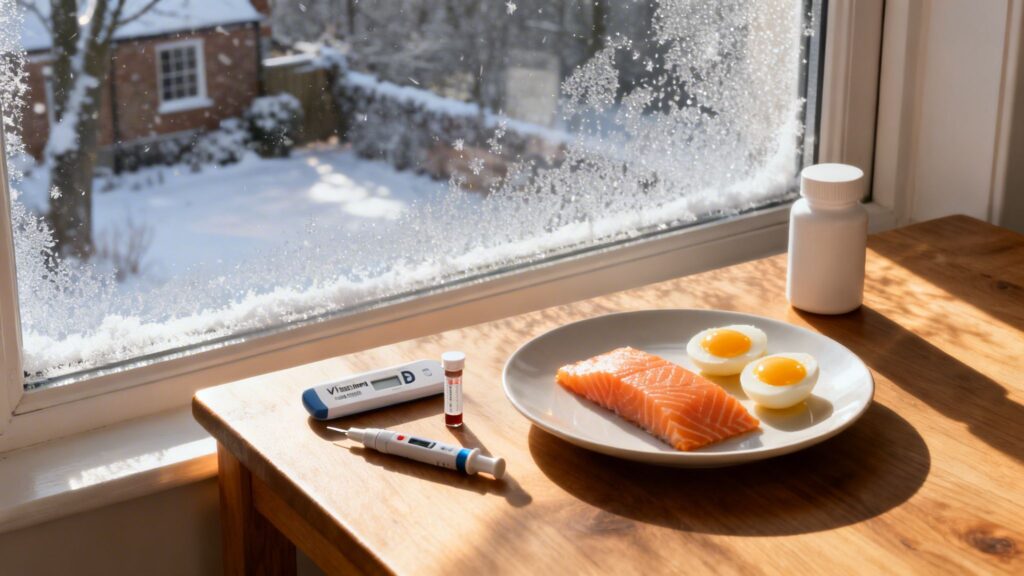
Vitamin B6, or pyridoxine, acts as a cofactor in dopamine production, which is a key part of reducing the secretion of prolactin. As such, eating more foods rich in vitamin B6 is a great way to lower your prolactin levels naturally. Luckily, there are plenty of delicious foods that contain B6, including salmon, tuna, potatoes, chickpeas, chicken, peanuts, pork, and oranges. For most people, it’s easy enough to get more B6 into their diets. However, be aware that prolonged cooking can reduce the B6 content of certain foods.
Vitamin E also lowers prolactin levels in men by protecting dopamine cells, which inhibit prolactin. Getting vitamin E into your diet is mostly about eating more plant-based foods; foods such as avocados, olive oil, sunflower seeds, almonds, spinach, bell peppers, and butternut squash all contain high levels of vitamin E.
Research shows that zinc creates a negative feedback loop between zinc and prolactin, with high levels of zinc effectively suppressing the secretion of prolactin. To boost this function, get more zinc in your diet by eating foods like shellfish, red meats, poultry, nuts, legumes, and dairy.
If you struggle to get vitamin B6, vitamin E, or zinc naturally, consider fortified foods. You can also find supplements for these nutrients, making it much easier to get enough. Remember that supplements are not a substitute for a healthy and balanced diet.
There is limited evidence suggesting that a chasteberry supplement could inhibit prolactin production, and this effect occurs because it acts as a dopamine agonist. For men looking to take a natural medication route, it may be worth a try. Keep in mind, though, that while most people tolerate a chasteberry supplement quite well, you may experience some common adverse effects, such as:
Exercise is a key lifestyle choice that positively influences a range of bodily functions, helping you stay healthy and fit. However, when exercising specifically to reduce prolactin levels, be aware that overly intense workouts can have a negative effect, as high-intensity, long-duration workouts can actually peak prolactin secretion. So, instead, aim for more moderate workouts that meet your fitness goals without overdoing it.
If you are also researching how to naturally increase testosterone (with testosterone levels linked to prolactin levels), you may be unsure how to navigate exercise, as weight and strength training are good ways to increase T. It’s all about balance. You can still enjoy strength training when lowering prolactin, but try to spread your workouts out rather than doing too much at one time.
Finally, if you want to reduce prolactin levels, you’ll want to reduce the amount of stimulants you have, including caffeine. Caffeine is a natural stimulant commonly consumed to help you stay awake during the day, and most people enjoy coffee as a pick-me-up. However, this sudden caffeine spike triggers a stress response in the brain, which, in turn, releases stress hormones. This then has a knock-on effect on prolactin secretion.
So, try to cut down on how much caffeine you consume. If you are a steady three cups of coffee per day kind of person, try replacing one or two of those cups with decaf coffee or tea.
All of these natural ways to lower prolactin can be extremely effective when committed to. Of course, if you want to see the impact of your lifestyle changes, you will need to monitor your prolactin levels over time.
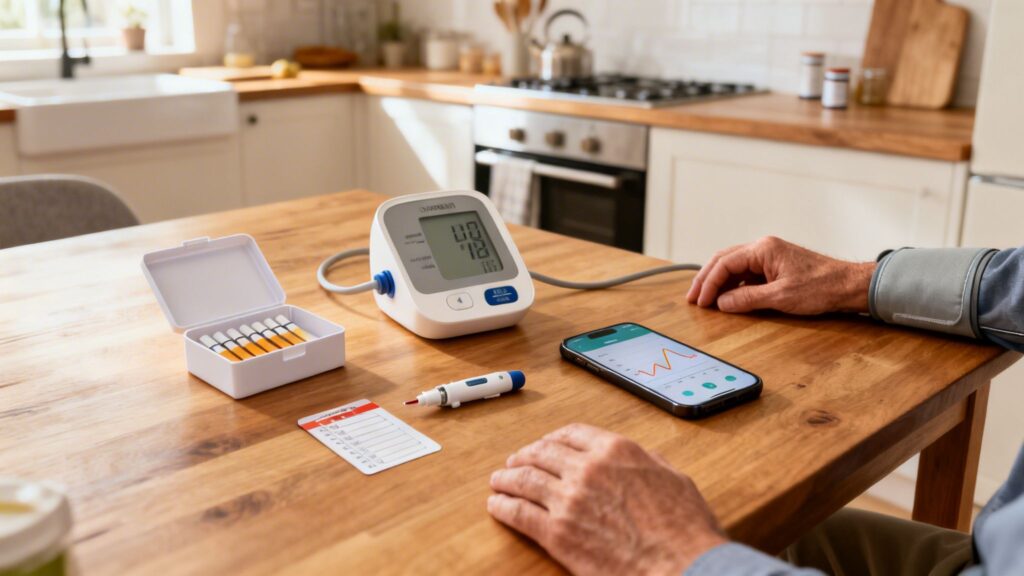
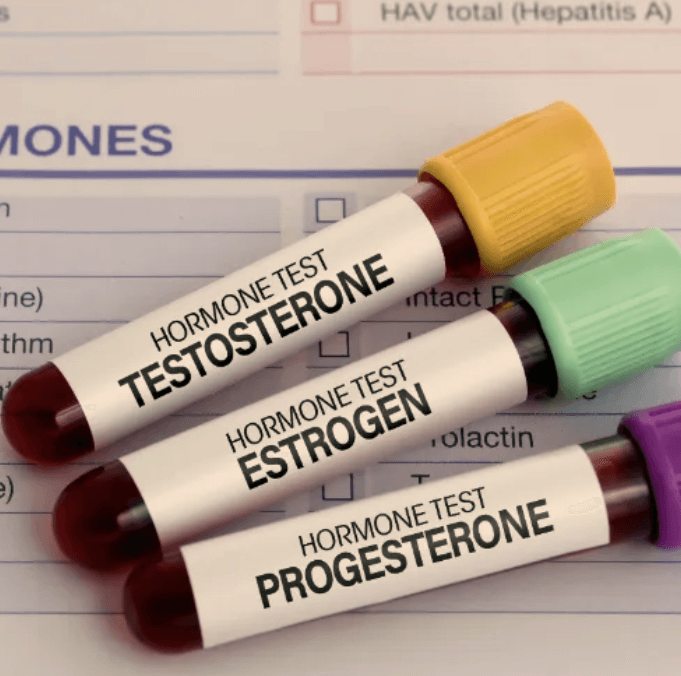
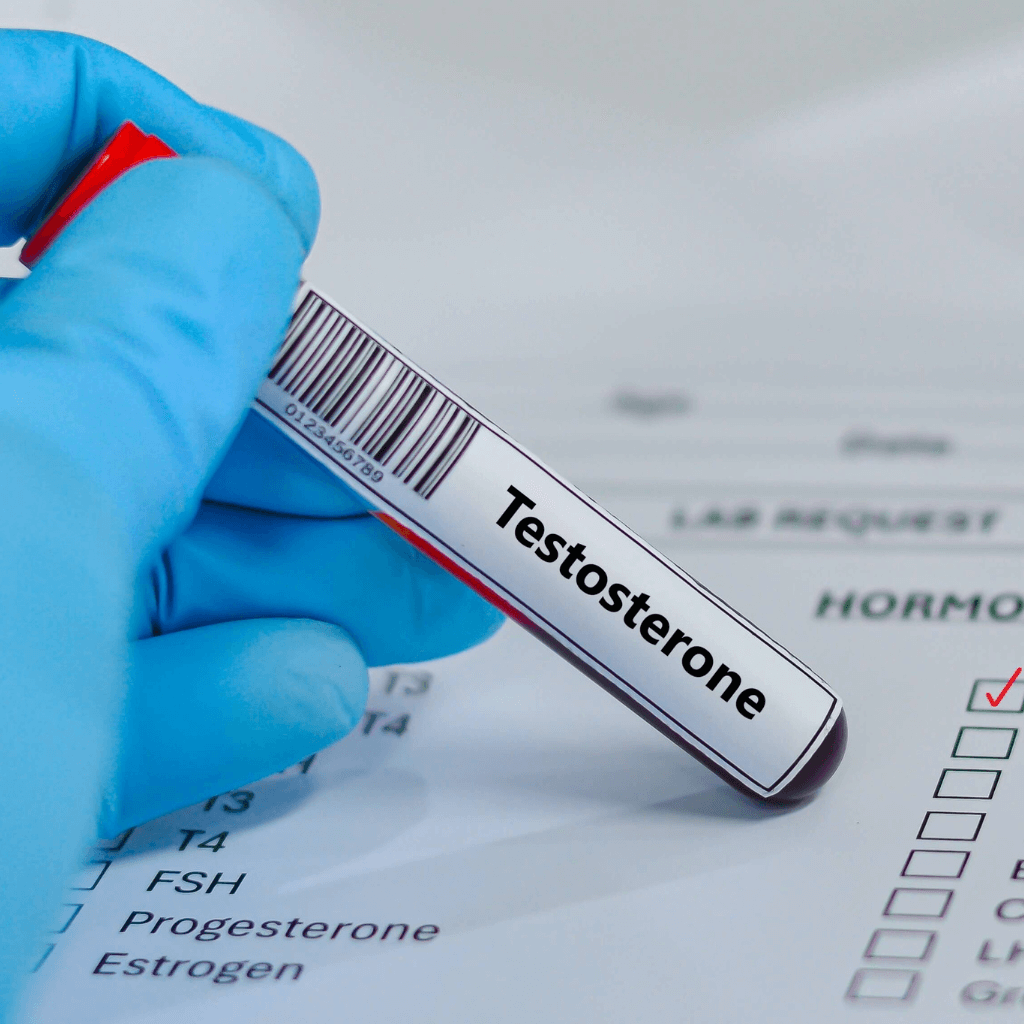
The easiest way to do this is to get home prolactin level test kits, which we offer here at Repose Healthcare. It’s worth monitoring other hormones alongside that, such as testosterone. Testosterone has an intrinsically tied relationship with prolactin, as high prolactin levels can suppress testosterone levels. So, do an at-home testosterone test alongside a prolactin test to have a complete understanding of your hormonal health. Generally, it’s worth doing these tests every six months.
Addressing the situation naturally is only truly best for those who have only a mild case of high prolactin. This is because the situation can likely be managed without medical intervention. For those with very high prolactin levels, medical intervention and treatment are necessary.
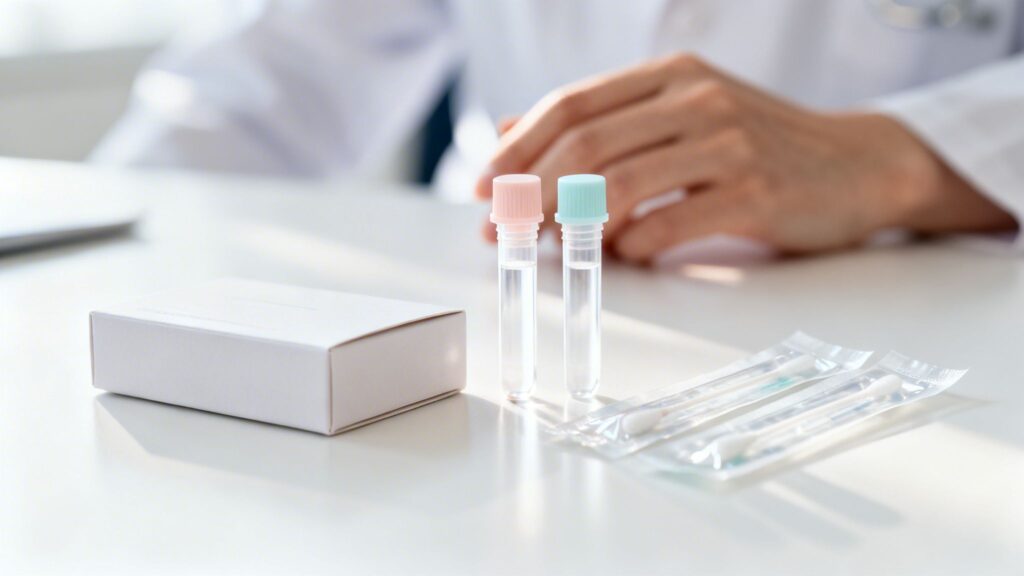
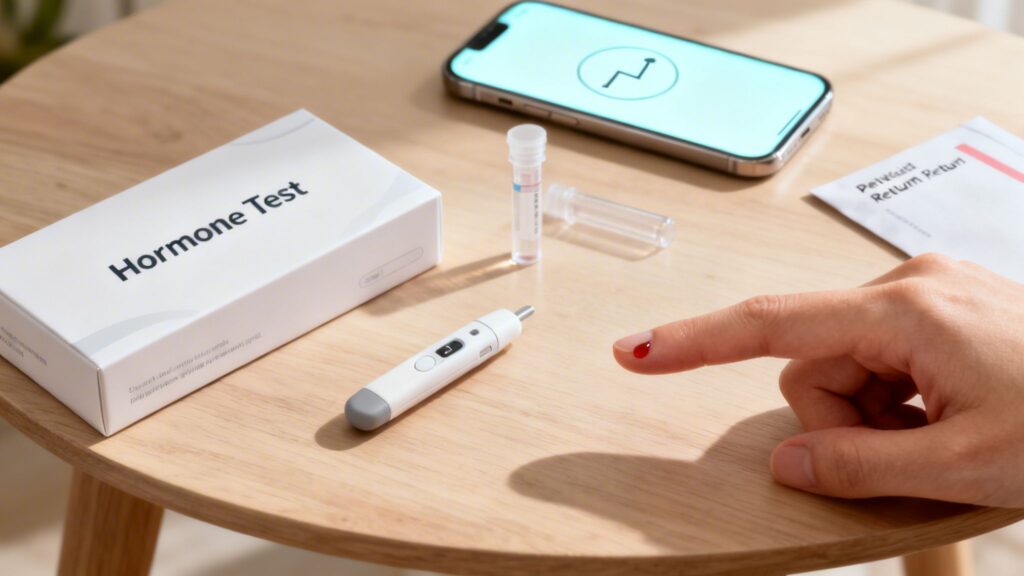
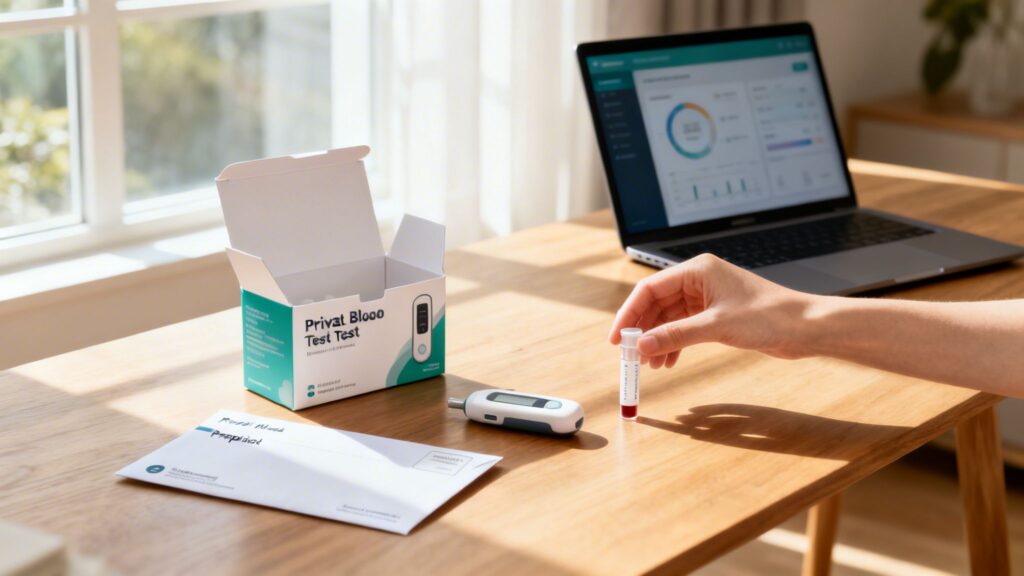
If you are unsure whether you should start naturally lowering your prolactin levels, it’s best to know for sure where you stand by seeking out a prolactin test. With a home test kit, you can do this without friction. Follow these steps:
Find the prolactin test kit on our website and place your order. The kit should be with you in a few working days.
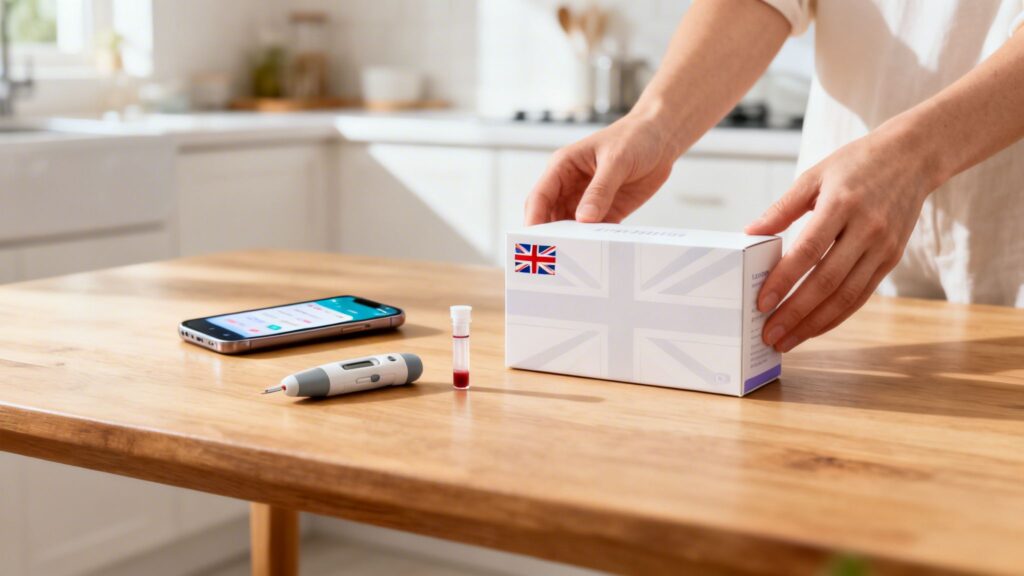
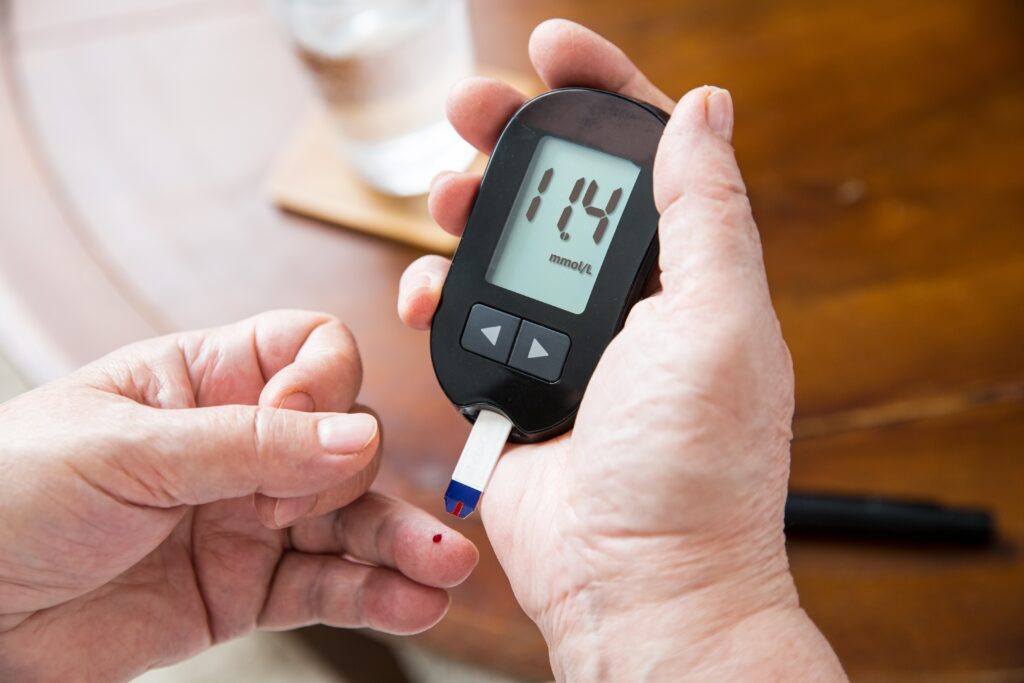
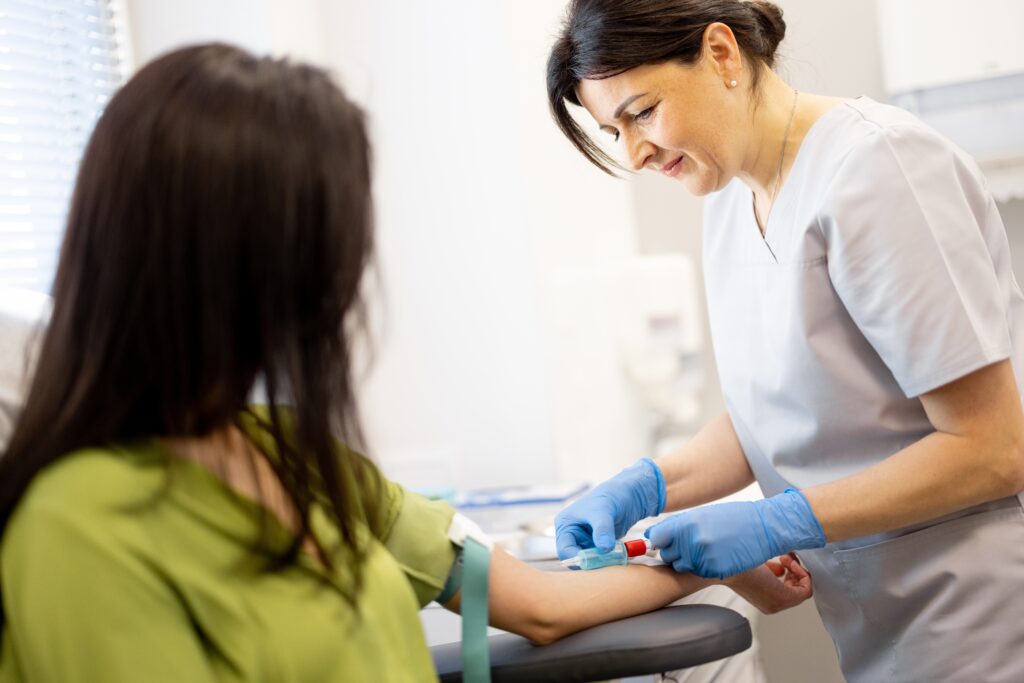
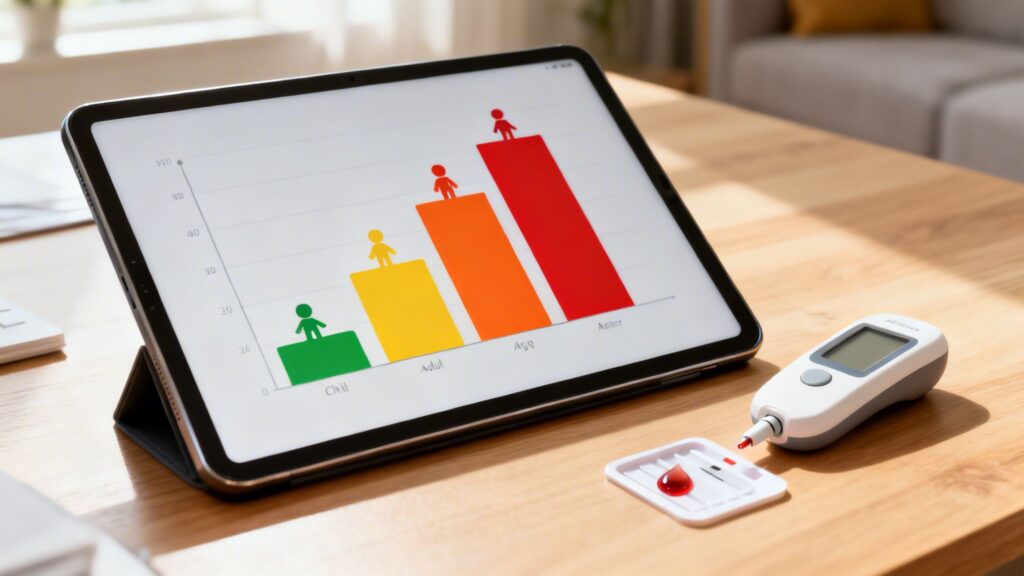
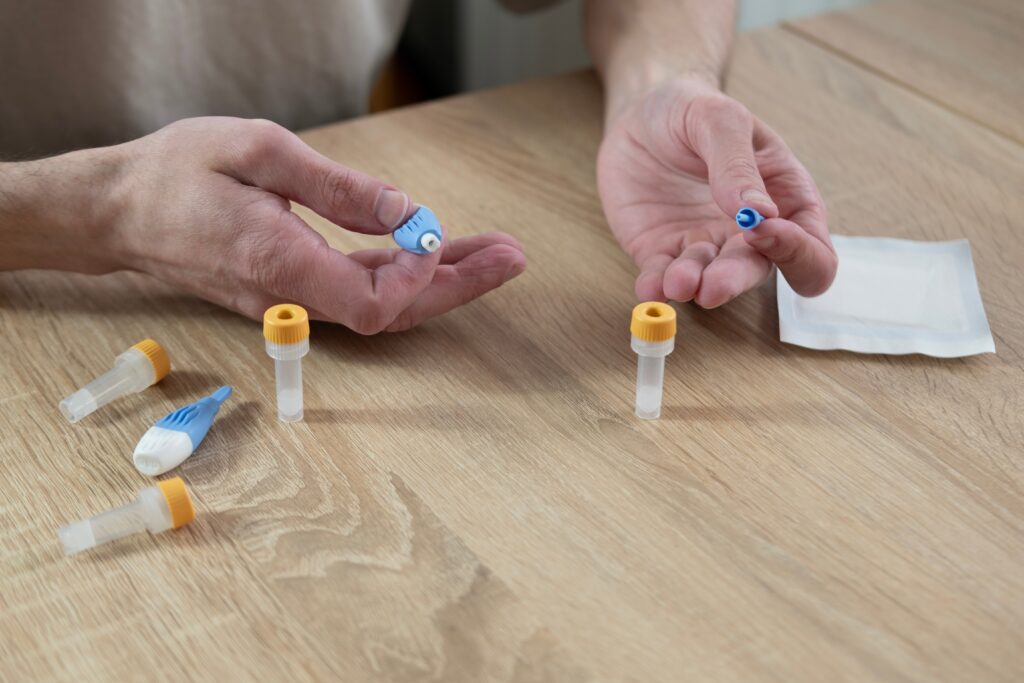
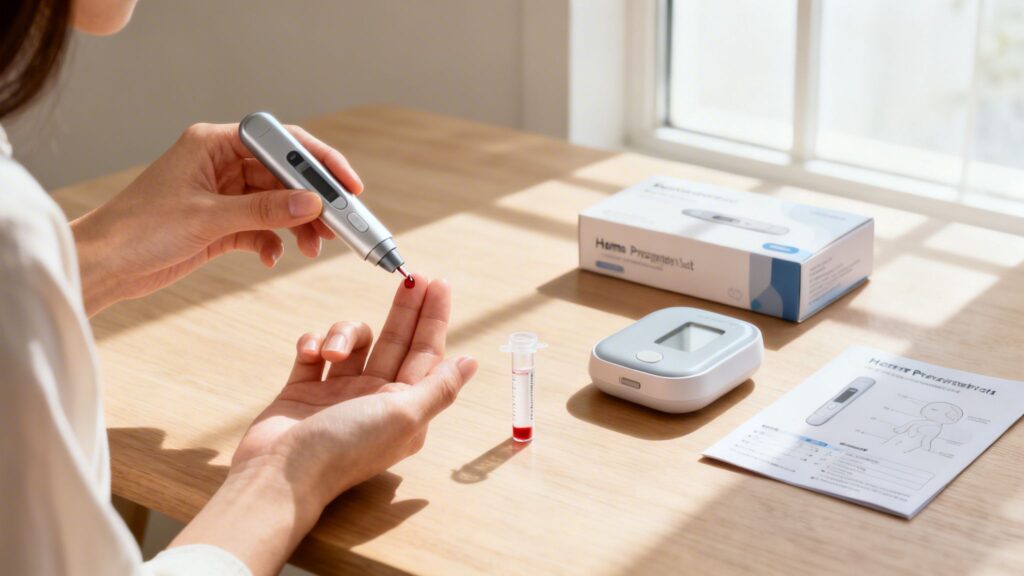
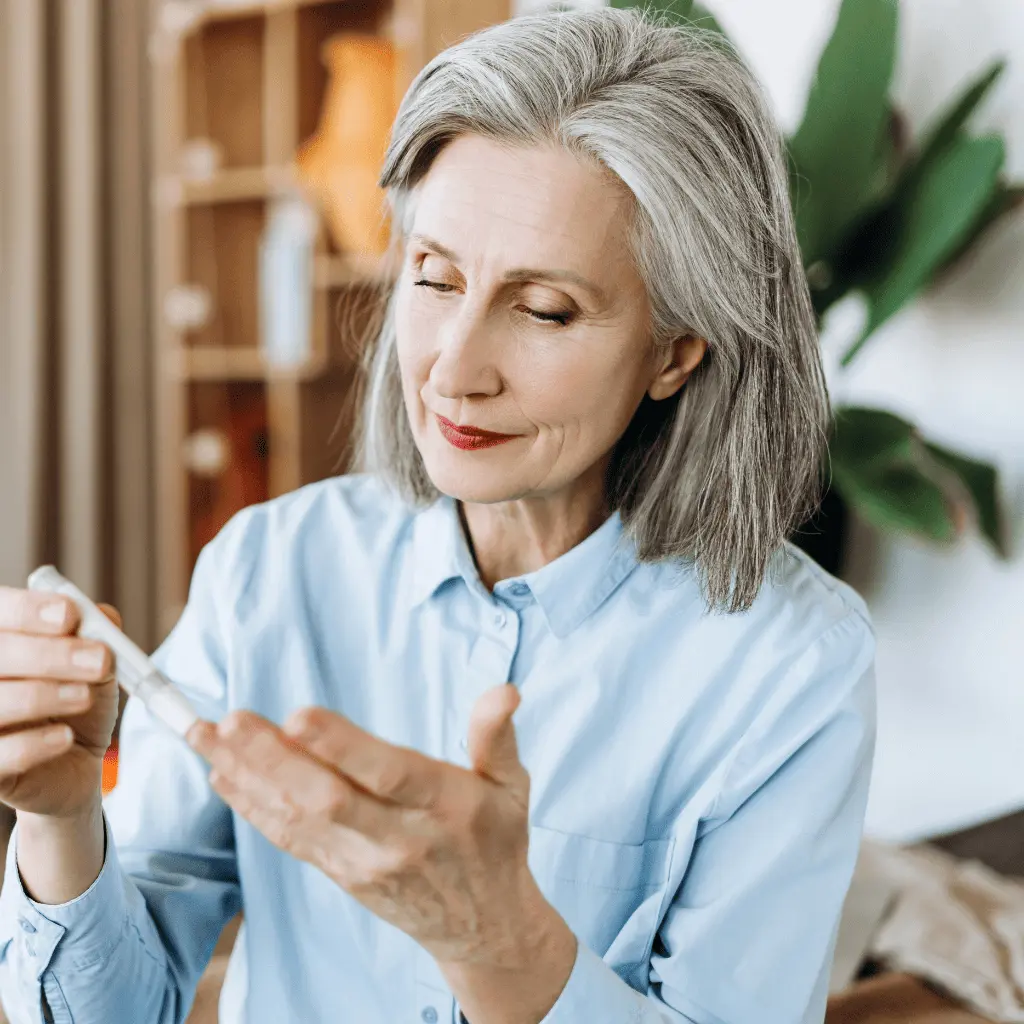
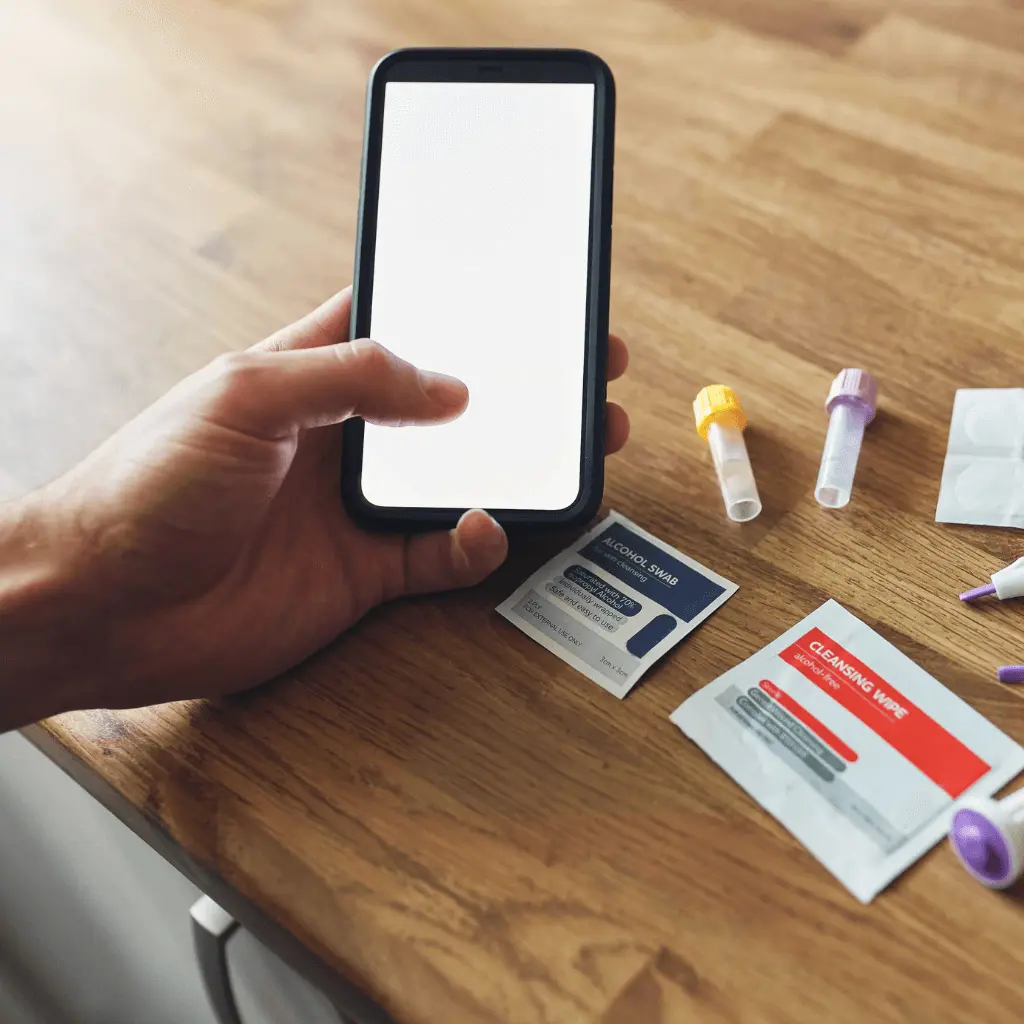
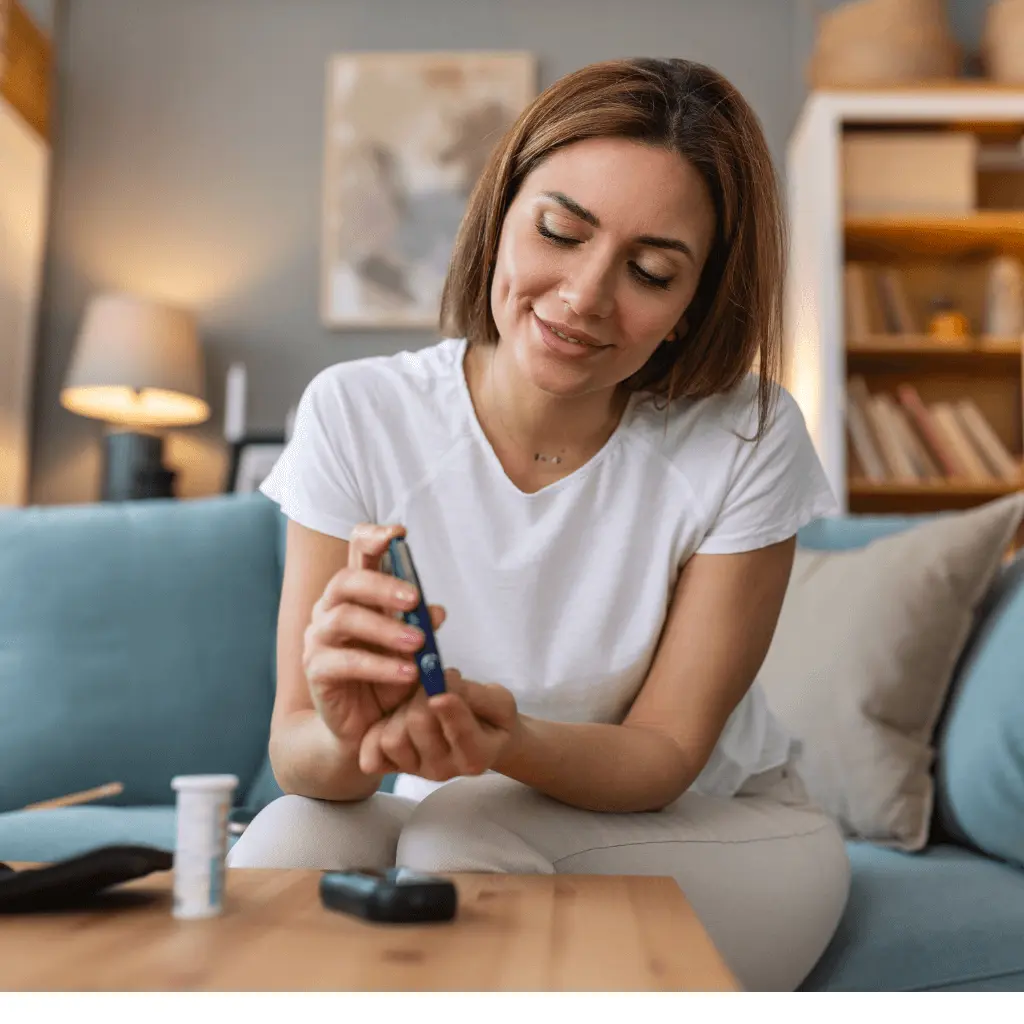
The kit comes with simple instructions showing you exactly how to take a blood sample to measure your prolactin levels. It involves a finger-prick, which you can do yourself (or get someone to help you).
After taking the blood sample, send it in a prepaid envelope to one of our partnered labs, where it will be tested specifically for prolactin levels.
Once your results are ready, they will be available for you to view confidentially online with your login. The results will show you the exact amount of prolactin in your blood (at the time of taking the sample), as well as whether this means it is high or average. If the results show a high amount of prolactin, we will follow up with advice on what you should do next.
If your prolactin levels are slightly elevated, decreasing them with natural methods should be fine.
However, there may be some instances where it’s better to go down the medical route. This is especially true if your high prolactin levels are caused by a prolactinoma, a benign tumour that produces excess prolactin.
If this is the case, there are specific prescription medications that actively lower prolactin, including:
The best one for you will depend on your situation and symptoms, so it’s worth talking to a doctor.
In more severe cases of a larger prolactinoma, surgery to remove the tumour may be necessary. You may still need to take measures (such as taking medications) to keep your prolactin levels low in case another tumour grows.
Healthy adult men naturally produce prolactin, an essential hormone that supports sexual satisfaction, sperm count, and immune system health. However, when those levels elevate too much, it can cause a myriad of problems, from infertility to erectile dysfunction. That’s why knowing your prolactin levels and how to lower them naturally is so important.
Of course, the first step is always knowing where your hormonal health stands, and at-home test kits allow just that. With access to a range of hormone test kits, you can take control of your hormonal health and make lifestyle adjustments to boost your health as and when you need to. So, if you are concerned that your prolactin levels are too high, order an at-home prolactin test kit today.